
Table of Contents
If your clinic still relies on massive metal filing cabinets and handwritten patient files, you are losing money every single day. Physical files slow down your administrative staff, frustrate your practitioners, and expose your private practice to massive legal risks.
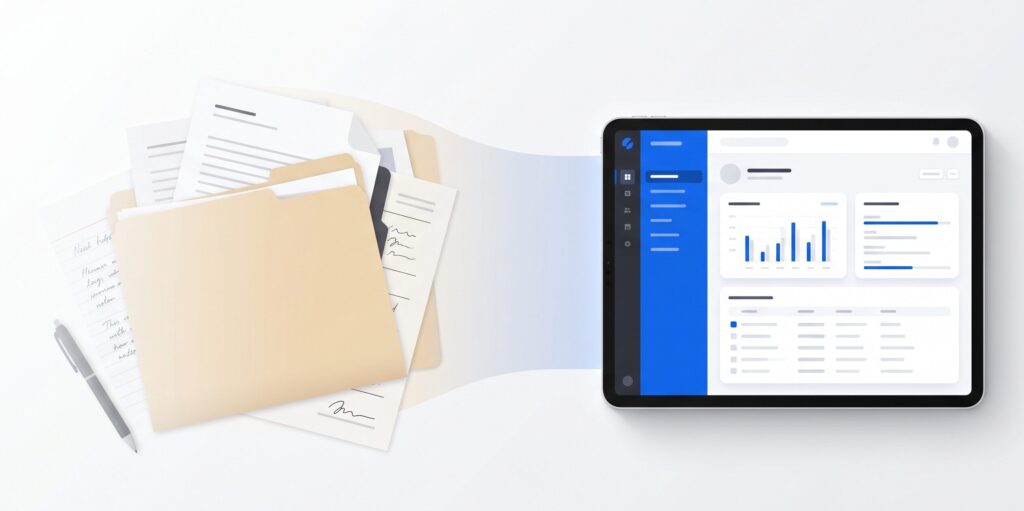
Modern patients expect speed and efficiency. When a patient calls with a question, they expect you to pull up their history instantly, not place them on hold for ten minutes while a receptionist digs through a storage closet. If you want to grow a profitable, modern healthcare business, finding the best alternative to paper medical records is mandatory.
In this guide, we break down the hidden costs of physical charting, explain how to transition your practice safely, and reveal the top digital software replacing paper in 2026.
The Hidden Costs of Physical Charting
Many older clinics resist digitizing their workflow because they believe physical files are “free.” In reality, maintaining a physical archive is the most expensive administrative decision a clinic can make.
Wasted Clinical Space
Commercial rent is incredibly expensive. If you dedicate an entire room in your clinic to storing thousands of manila folders, you are wasting valuable square footage. By adopting the best alternative to paper medical records, you can clear out those filing cabinets and convert that storage closet into a revenue-generating treatment room.
Administrative Bottlenecks
Physical charts cannot be in two places at once. If your billing specialist is reviewing a patient’s file to process an insurance claim, the doctor cannot review that same file to prepare for an upcoming appointment. This creates severe workflow bottlenecks. A digital system allows multiple staff members to access the same patient profile simultaneously from different devices.
Devastating Security Risks
A locked metal cabinet is not legally sufficient to protect sensitive health data in 2026. Physical files are highly vulnerable to fire, water damage, and theft. If a single file goes missing, you face severe HIPAA or GDPR violations. Cloud-based software encrypts data automatically, providing absolute security and remote backup protection.
Transitioning to a Digital Workflow
The thought of moving thousands of physical charts into a digital system feels overwhelming. However, migrating your data is easier than ever if you follow a structured strategy.
Step 1: Stop the Bleeding
Do not attempt to digitize ten years of historical archives immediately. Start by implementing a strict “Go Forward” policy. Decide that starting next Monday, every single new patient will be onboarded using digital intake forms and charted digitally.
Step 2: The Hybrid Phase
When an existing patient returns for a visit, have your receptionist scan their physical file and upload it to their newly created digital profile. Then, shred the physical copy. Over the next six months, your active patient roster will naturally digitize itself.
Step 3: Choose the Right Software
You cannot effectively transition your clinic using generic word processors like Microsoft Word or Google Docs. These tools are not compliant with health privacy laws. You must secure a dedicated practice management platform.
ClinDesk: The Best Alternative to Paper Medical Records
When independent practitioners search for the best alternative to paper medical records, they consistently choose ClinDesk.
Unlike clunky legacy hospital software that requires weeks of training, ClinDesk is a fast, intuitive SaaS platform built specifically for allied health professionals, physical therapists, and private doctors.
How ClinDesk eliminates paper from your clinic:
- Digital Intake Forms: Patients fill out their medical history on their smartphones before they arrive. This data syncs instantly to their digital file, completely eliminating the waiting room clipboard.
- Rapid SOAP Notes: Doctors can write clinical notes in under two minutes using customizable, dropdown-based templates that are far faster than handwriting.
- Body-Side Tracking: Physiotherapists can digitally track pain scores and specific left/right body-side injuries visually, entirely replacing physical anatomical drawings.
- Cloud-Based Security: All patient data is secured behind enterprise-grade encryption, ensuring your clinic remains perfectly legally compliant.
By abandoning paper and embracing a streamlined digital system, you drastically reduce your administrative overhead, protect your patients, and capture every dollar your clinic earns.
Ready to clear out your filing cabinets? Start your free trial with ClinDesk today.
FAQ Schema Block
Question 1: What is the best alternative to paper medical records for private practices?
Answer 1: The best alternative to paper medical records is a cloud-based practice management software like ClinDesk. It allows independent clinics to digitize intake forms, clinical notes, and billing securely without expensive hardware.
Question 2: Is it legal to store patient notes on a computer instead of paper?
Answer 2: Yes, but only if the software is fully encrypted and complies with health privacy laws like HIPAA (US) or GDPR (Europe). Storing patient data on unencrypted local computer hard drives or standard word processors is illegal in many jurisdictions.
Question 3: How do I switch my clinic from paper to digital records?
Answer 3: The easiest way to switch is by implementing a “Go Forward” policy. Start by requiring all new patients to use digital intake forms. Then, gradually scan and upload the paper files of existing patients as they return for follow-up appointments.